
Statin prescribing
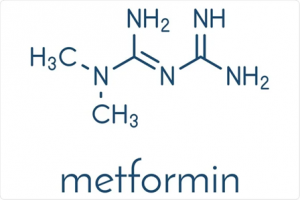
When I was first diagnosed with T2D, along with metformin I was recommended to start taking a statin, specifically atorvastatin (also known as Lipitor. There is good evidence that statins can be beneficial in reducing the risk of cardiovascular issues and strokes. Because of this the NHS recommends that statins are prescribed for a wide range of patients. According to the British Medical Journal over a third of the population aged 30-84 exceed the threshold for prescribing statins. One of the main tools used to determine if statins should be prescribed is QRISK3 (see https://qrisk.org/). If your QRISK3 score is ≤10%,i.e. you have a 1 in 10 chance of cardiovascular event within the next 10 years, statin therapy is recommended. Even if otherwise perfectly healthy with good cholesterol levels, this includes all males over the age of 60 and all females 75 or older. Anyone with T2D pretty much automatically qualifies too.
Issues with statins?
Whilst there may be sound medical reasons for prescribing statins, concerns have been raised over the way GP practices are incentivised to prescribe statins. That discussion is for others to address. Given the low cost of statins (e.g. Atorvastatin costs £0.55 for 28 tablets according to the NHS Drug Tarrif) the cost benefit analysis would seem quite positive. My concern is that in the past few years statins have been shown to increase both insulin resistance and the risk poor glycaemic control (Dhabi et al, 2023, Lai et al, 2025, Grunwald et al, 2022). Consideration also needs to be given to the common side effect of statin treatment, which again are well documentd.
Statin effects on blood glucose
Recent studies have also started to reveal why statins (or at least the majority) have these detrimental affects on insulin resistance and glycaemic control. Two very different ways in which statins may cause issues have been described in muscle tissue and in the gut.
Grunwald et al (2022) reported how statins can affect muscle tissue. Insulin stimulated glucose uptake into skeletal muscle is fundamental to glycaemic control. Muscle tissue is therefore, a primary target for insulin resistance in the human body. Glucose uptake in muscles is mediated by a glucose transporter, known as GLUT4. This transporter moves glucose into cholesterol rich compartments on the muscle cell membrane (known as caveolae and T-tubules). Statins appear to interfere with this process and thereby contribute to increased insulin resistance. This effect on glucose uptake may also link to the well documented side effects of statin therapy in muscles of cramps, pain, and weakness (Statin-Associated Muscle Symptoms) which affect up to 29% of patients.
Another intriguing mechanism was proposed in a publication by She et al (2024). They found that statin treatment affects certain types of bacteria in the gut, specifically Clostridium species. These bacteria are involved in metabolism of bile, particularly the production of UDCA (ursodeoxycholic acid). Lowered levels of UDCA leads to lower levels of glucagon like protein-1 (GLP-1), one of the key proteins involved in glucose control. How statins affect gut bacteria is not clear, so I’d like to see a bit more evidence and mechanistic understanding to fully accept this.
Some questions
Whilst the science is clear that most statins do affect the body’s ability to control blood glucose and the extent to which this happens will undoubtedly vary between individuals. The key questions might therefore be,
1) should we be giving statins to people with diabetes or
2) should we put more effort into identify the individuals whose glycaemic control will be most affected by statins?
Equally not all statins will affect glycaemic control to the same extent. Pitavastatin, for example, seems to have little or no effect on insulin resistance according to a recent report (None and None, 2025). So should GPs be moving away from the automatic prescribing of atorvastatin? Note: pitavastatin is not currently approved for use in the UK, should it be?
Next step
In the interests of science, I have been conducting my own experiment using continuous glucose monitoring with and without atorvastatin to see if there is any change to my own glycaemic control. This will be the topic of my next blog post.
References.
Dabhi, K.N., Gohil, N.V., Tanveer, N., Hussein, S., Pingili, S., Makkena, V.K., Jaramillo, A.P., Awosusi, B.L., Ayyub, J. and Nath, T.S., 2023. Assessing the link between statins and insulin intolerance: a systematic review. Cureus, 15(7).
Grunwald, S.A.; Haafke, S.; Grieben, U.; Kassner, U.; Steinhagen-Thiessen, E.; Spuler, S. Statins Aggravate the Risk of Insulin Resistance in Human Muscle. Int. J. Mol. Sci. 2022, 23, 2398. https://doi.org/10.3390/ijms23042398
Lai, K.Z.H, Harris,S.B., Retnakaran, R., Hanley, A.J.G, and Schwarz, U.I. Longitudinal Association of Statin Treatment With Insulin Sensitivity and Beta-Cell Function in the PROMISE Cohort, The Journal of Clinical Endocrinology & Metabolism, Volume 110, Issue 10, October 2025, Pages e3442–e3452, https://doi.org/10.1210/clinem/dgaf031
None, K. M. C. and None, D. A. V. (2025) ‘Differential Impact of Atorvastatin and Pitavastatin on Insulin Resistance and Metabolic Safety in Statin-Naïve Patients with Dyslipidaemia’ Journal of Heart Valve Disease 30(1), pp. 104-108.
She J, Tuerhongjiang G, Guo M, Liu J, Hao X, Guo L, Liu N, Xi W, Zheng T, Du B, Lou B, Gao X, Yuan X, Yu Y, Zhang Y, Gao F, Zhuo X, Xiong Y, Zhang X, Yu J, Yuan Z, Wu Y. Statins aggravate insulin resistance through reduced blood glucagon-like peptide-1 levels in a microbiota-dependent manner. Cell Metab. 2024 Feb 6;36(2):408-421.e5. doi: 10.1016/j.cmet.2023.12.027.